


As outlined throughout this article, a local private sale, an interstate transfer, and an online listing each carry different compliance requirements, and no single method applies to every situation.
Selling a firearm is not as simple as handing it to a buyer and walking away. The legal options for selling a firearm depend heavily on how the transfer is handled, where the seller lives, and whether state law imposes requirements beyond what federal law already mandates.
There are three main paths a seller can take: going through a licensed dealer, arranging a private sale directly to another individual, or listing the firearm online with an FFL (a Federal Firearms License holder) facilitating the physical transfer. Each route carries its own compliance considerations.
Federal law establishes the baseline for all firearm transfers, but state law frequently adds layers on top of that, including background check requirements, waiting periods, and recordkeeping obligations that vary significantly from one jurisdiction to the next. What is legal in one state may not be permitted in another. For many sellers, the path that creates the clearest transfer record and involves licensed oversight tends to carry the least legal risk over time.
Your Main Legal Paths for Selling a Firearm
Selling Through a Licensed Dealer
Working with a licensed dealer is often the most straightforward route for sellers who want a clear compliance record. The dealer manages the background check process, handles the required ATF paperwork, and takes on a meaningful portion of the legal responsibility for the transfer. This makes it a practical choice for sellers who are uncertain about a buyer’s eligibility or who simply want the process handled by someone with direct regulatory experience.
Private Sale to Another Individual
A private sale allows two individuals to complete a transfer without dealer involvement, but this option comes with important caveats. State law varies considerably here. Some states permit private sales with minimal formality, while others require that even private transfers go through a licensed dealer so a background check can be conducted. Sellers should confirm what their state requires before proceeding.
Online Sale With FFL Involvement
Selling a firearm online introduces additional coordination steps that a local transaction would not require. When the buyer is in a different state, federal law generally requires the transfer to go through a licensed dealer on the receiving end. Even within the same state, the buyer’s location and the receiving dealer’s own requirements can affect the process. Online selling does not reduce legal obligations; it typically adds them.
What Makes a Firearm Sale Legal or Risky
Who You Cannot Legally Sell To
Federal law prohibits any person from knowingly transferring a firearm to someone who falls into a restricted category. These individuals are referred to as prohibited persons, and the list includes those convicted of felonies, domestic violence misdemeanors, individuals under certain restraining orders, and those adjudicated as mentally ill, among others.
The word “knowingly” matters here. A seller who has reason to believe a buyer may be prohibited and proceeds anyway faces serious federal liability. This is one reason why going through a licensed dealer offers meaningful protection: the dealer runs a NICS background check through the ATF’s system, and the buyer completes ATF Form 4473 before any transfer is completed. When a licensed dealer handles the process, that paper trail shifts a significant portion of the compliance burden away from the private seller.
Why State Rules Change the Answer
Federal law sets the floor, but state law often raises it. Several states require that all firearm transfers, including private sales between individuals, go through a licensed dealer so a background check can be conducted. Others impose waiting periods or mandate specific documentation.
Interstate transfers add another layer. Selling a firearm to someone in a different state generally requires FFL handling rather than a direct handoff, regardless of whether both parties are otherwise eligible. Sellers who assume federal compliance is sufficient without checking their state’s rules often discover the gap too late.
How to Document the Transfer and Protect Yourself
Completing a lawful sale is only part of the process. How the transfer is recorded matters just as much, particularly if questions arise later about who owned the firearm, when it changed hands, or what terms were agreed upon.
A bill of sale is one of the most practical tools available in a private sale. It should include the date of transfer, the full names of both parties, the firearm’s make, model, caliber, and serial number, and any agreed terms. Neither party is typically required to use a formal template, but the document should be clear and signed by both sides.
It is worth noting that documentation does not make an illegal transfer legal. If the underlying conduct violates federal or state law, paperwork does not provide a defense. What it does do is support a seller’s position in the event of a future dispute or inquiry. Sellers should retain copies consistent with what state law requires and avoid informal handoffs with no paper trail, since a firearm transfer with no record creates ambiguity that can be difficult to resolve long after the transaction is complete.
When Selling Online Changes the Legal Process
Online sales have become a common route for private sellers, but using auction platforms, dealer consignment services, or companies that help individuals sell firearms online does not reduce the legal responsibilities involved in the transfer. In many cases, these transactions require additional coordination between the buyer, seller, and receiving FFL before the firearm can lawfully change hands.
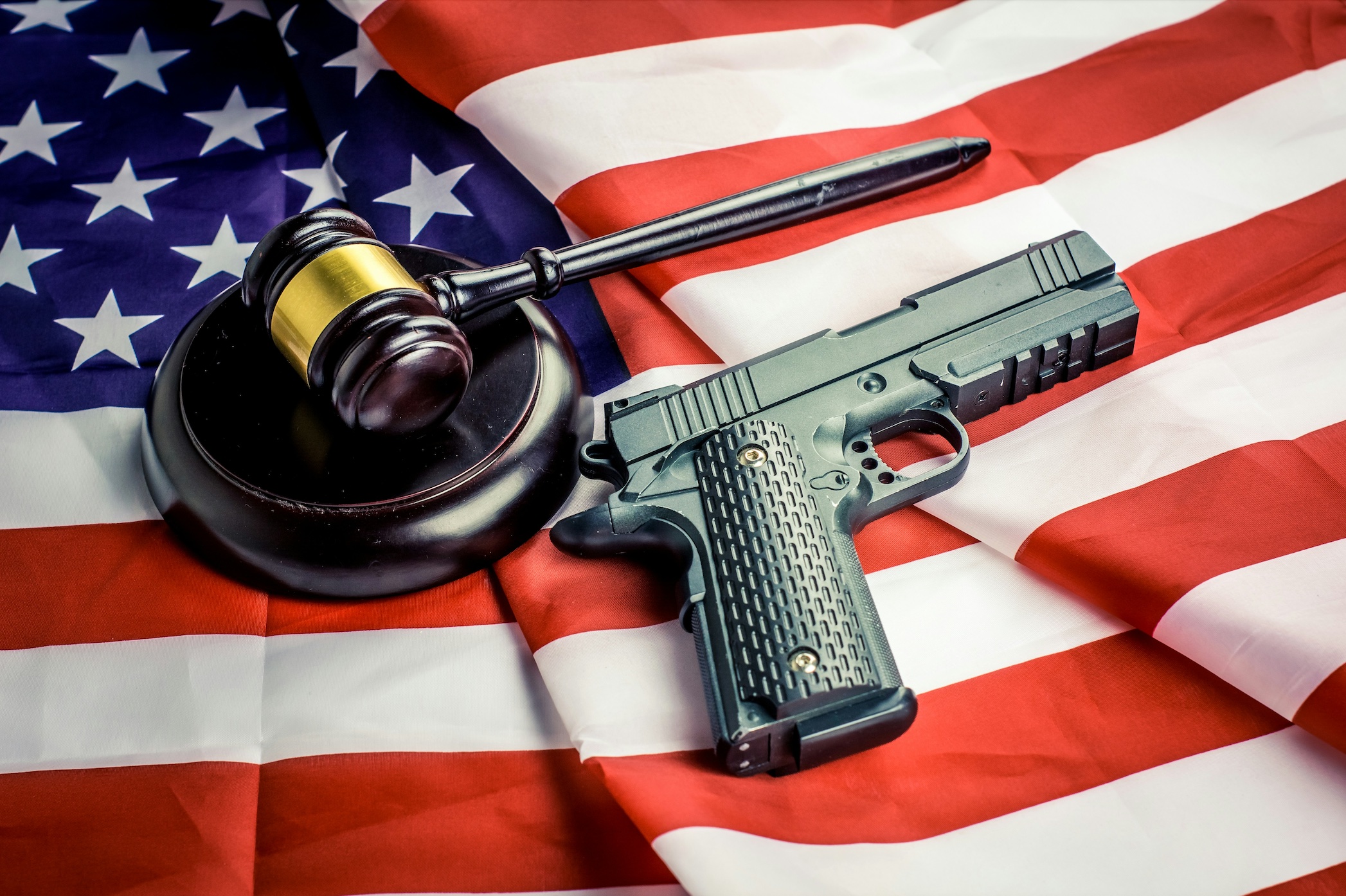
The most significant of these is the FFL transfer requirement. When a firearm is sold to a buyer in another state, federal law generally requires that the transfer go through a licensed dealer on the receiving end. The seller ships to that FFL holder, and the buyer picks it up from the dealer after completing the standard background check process, including ATF Form 4473. Even within the same state, the buyer’s location and the receiving dealer’s own requirements can both affect what documentation is needed and whether additional steps apply.
Direct shipment to a non-licensed buyer is not a lawful alternative when FFL processing is required. Sellers handling online transactions should confirm the receiving dealer’s process in advance and treat the firearm transfer as a coordinated, multi-step procedure rather than a simple shipping arrangement.
Choosing the Safest Path for Your Situation
The right approach depends on the specifics of the transaction. As outlined throughout this article, a local private sale, an interstate transfer, and an online listing each carry different compliance requirements, and no single method applies to every situation.
When state law is unclear or a buyer’s eligibility is difficult to verify, routing the transfer through a licensed dealer reduces exposure. The FFL handles the background check, generates a paper trail, and takes on a portion of the compliance responsibility. Before any transfer is completed, sellers should confirm which state law governs the transaction and whether the private sale rules in that jurisdiction require additional steps.


