


The state should guarantee that its policies remain clear as responsibility for driving increasingly shifts from people to automated systems.
For years, the advent of autonomous vehicles has been hailed as a revolutionary shift in how Americans travel. Notably, that transformative future is no longer just a distant vision for Florida motorists; it already unfolds right on the state’s roads, with driverless cars now transporting passengers without a human operator behind the wheel. However, as this technology transitions from mere possibility to tangible reality, it prompts a critical concern that the traditional framework for traffic accidents may not directly answer: when the vehicle independently makes driving decisions, who bears the responsibility in the event of a crash?
That question is particularly pressing in Florida, where roadway incidents already pose a public safety challenge. In fact, just in 2025, the state reported more than 360,000 crashes, which cost the lives of nearly 3,000 Floridians and yielded over 235,000 injuries. With autonomous cars now navigating the same highways, the conversation is no longer simply about promoting this innovation but also about whether existing policies can keep pace when such advancement becomes a potential source of hazard.
The Liability Concern Surrounding Driverless Vehicles
Apparently, Florida has already established that a fully autonomous vehicle can legally function without a licensed human driver physically present. Consistent with this, the state’s Statute §316.85 explicitly provides that when an automated driving system is activated, it is regarded as the vehicle’s operator. Nonetheless, the law also mandates that such cars comply with applicable safety standards and other prerequisites—like certification labels and alert devices—as well as appropriate insurance premiums, including $1 million worth of primary liability policy, personal injury protection benefits, and uninsured and underinsured motorist coverage. Disconcertingly, these requirements still do not guarantee who should be accountable when a collision eventually occurs. In most instances, a driverless vehicle introduces several possible sources of fault. A defective sensor, flawed software, inadequate testing, poor maintenance, or a failure to respond to a system malfunction could each point toward a different party.
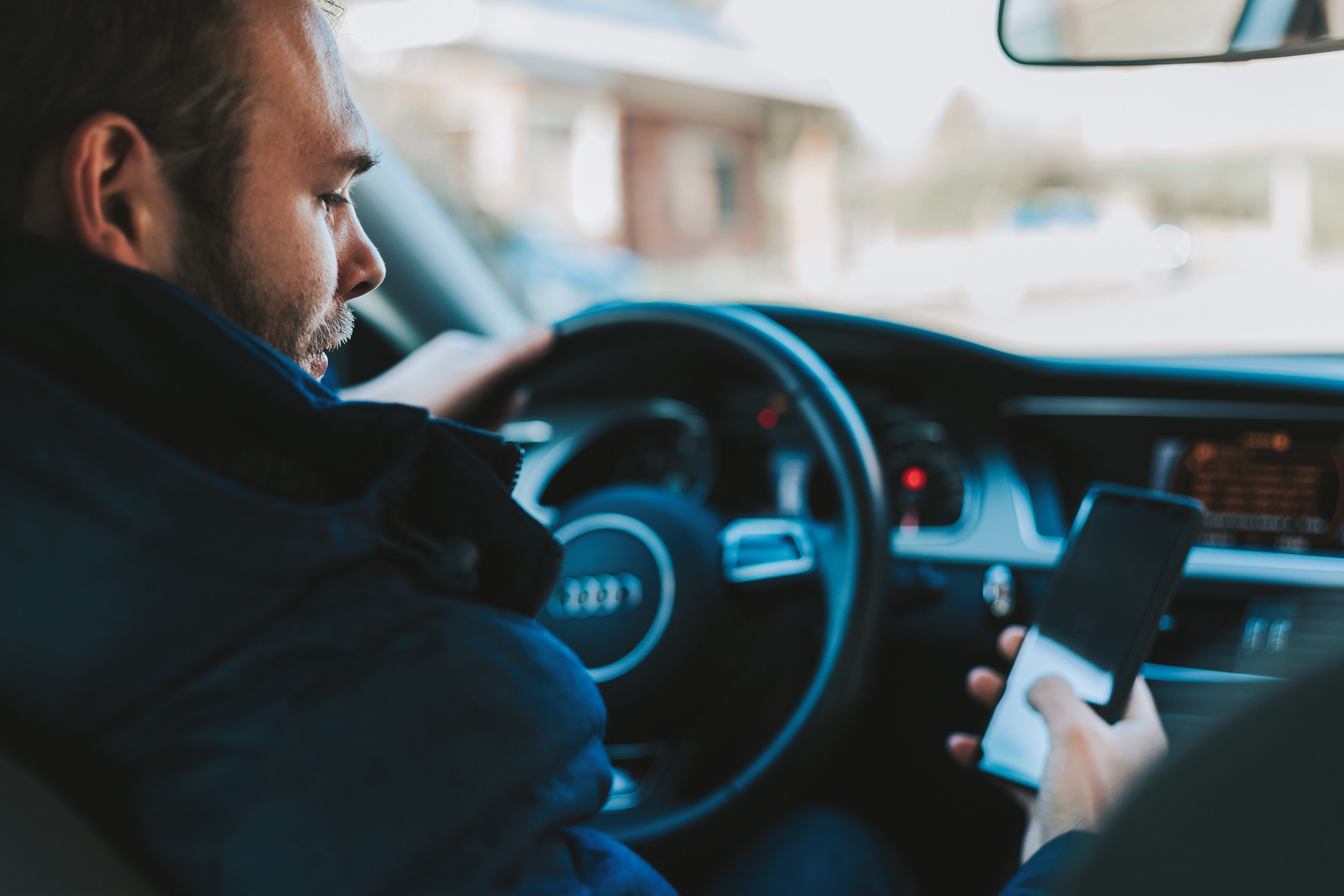
At the same time, another motorist’s negligence or unsafe road conditions could have contributed to the outcome. Determining liability, therefore, may entail disentangling the actions of manufacturers, technology providers, vehicle operators, and other parties from the decisions made by the automated system itself. And that complexity is underscored in a landmark 2025 federal ruling, which held Tesla 33% responsible for a fatal crash in Key Largo in 2019 involving its autopilot feature. The verdict indicated the system’s design failed to account sufficiently for driver distraction and road conditions ahead. As such, the jury awarded nearly $243 million in damages, a verdict confirmed by a federal judge in February 2026. Essentially, the case illustrates that liability can encompass not just the driver but also the technology that contributes to a crash.
Ensuring Innovation Does Not Outpace Accountability
Florida does not need to choose between encouraging autonomous transportation and protecting those who may be injured by it. Instead, the state should guarantee that its policies remain clear as responsibility for driving increasingly shifts from people to automated systems. And that begins with clarifying how existing negligence and product liability principles apply. Practically, when a crash results from factors—like a software defect, faulty component, inadequate testing, or a failure to address a known safety risk—the law must provide a clear path for ascertaining which parties may be held accountable. Also, authorities must make sure that critical evidence—such as vehicle and system data—is preserved to determine whether the technology truly functioned as intended, what it detected before the collision, and how it responded.
Without meaningful access to these proofs, injured motorists, passengers, pedestrians, and cyclists could face significant obstacles in establishing what happened. Floridians should not have to navigate uncertainty over who is responsible after suffering an injury simply because the vehicle that caused it was controlled by software. Florida has already opened its roads to autonomous vehicles. Now, it should ensure its laws are ready to protect the people who share them.


